Lost Palms Oasis Trail: Joshua Tree's Best Long Day Hike
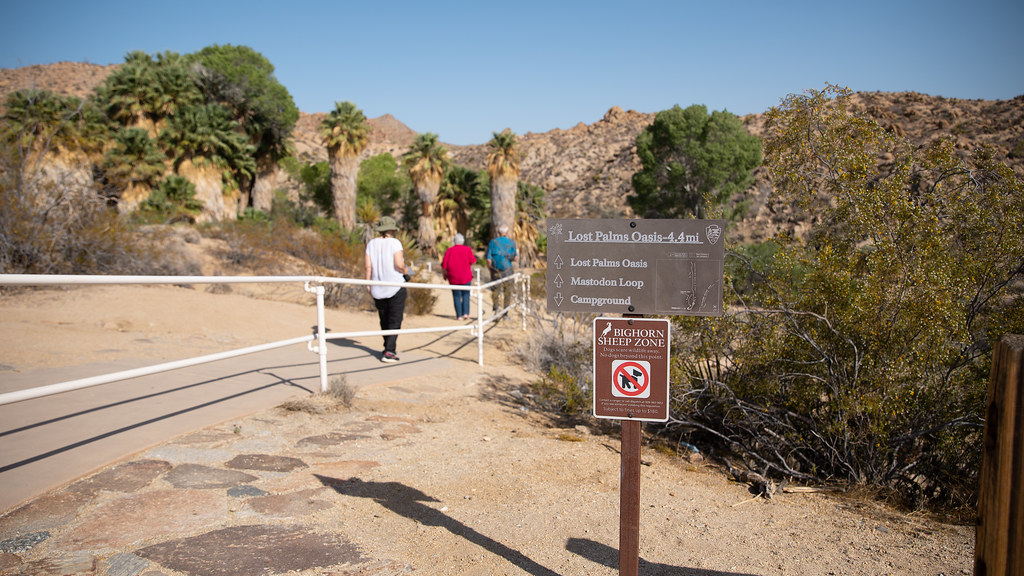
Most visitors to Joshua Tree never make it to the southern section of the park. The crowds cluster around Hidden Valley, Skull Rock, and the north entrance — and the Cottonwood area, a 30-minute drive from the main park hub, stays relatively quiet. That's your advantage. Lost Palms Oasis, accessed from the Cottonwood Spring trailhead, rewards the drive and the miles with something you won't find anywhere else in the park: a canyon full of California fan palms, the largest natural palm grove in Joshua Tree, tucked into a boulder-walled oasis that feels genuinely remote.
The hike is 7.2 miles round-trip — longer than most trails in the park — but the terrain is surprisingly manageable. The route rolls through desert washes, passes through stands of ocotillo and cholla, and crosses open flats with views that stretch toward the Salton Sea on a clear day. The difficulty is distance, not technicality. If you've done shorter trails and want to spend a full day in the backcountry, this is the one to attempt.
The payoff is a view into a deep canyon where roughly 100 palm trees grow along a fault-line spring — water that has been reaching the surface here for thousands of years. It's one of the most striking geological and ecological contrasts the desert has to offer: bare rock and heat above, a lush green canyon below.

What to Expect on the Trail
The route is well-marked and follows a single trail from Cottonwood Spring to the oasis overlook. Here's what you'll encounter as you go.
Cottonwood Spring Start
The trail begins at Cottonwood Spring, itself worth exploring before you head out — it's one of the best birding spots in the park, fed by a natural spring that attracts migrating species. The opening mile is flat and easy, passing through a mix of desert wash and low scrub. Watch for quail and cactus wrens early in the morning.
Ocotillo & Boulder Country
The trail enters more dramatic terrain — stands of ocotillo and cholla cactus frame the path as you begin to gain and lose elevation through a series of rocky washes. In spring, ocotillo blooms scarlet at the tips of their long canes. In fall, the dry stalks catch the low afternoon light. This stretch has some of the best wide-open views of the Cottonwood Valley.
The Junction
At about 2.7 miles you'll reach a signed junction with the Mastodon Peak Loop trail. Bear left to continue toward Lost Palms Oasis. (If you have energy on the way back, the Mastodon Peak scramble adds about 1 extra mile and offers panoramic views including the Salton Sea — worth it if conditions allow.)
The Oasis Overlook
The final stretch descends toward the canyon rim. The trail ends at a natural overlook where you look down into the oasis canyon — the first time you see the palms from above is genuinely striking. From the overlook, a use trail scrambles down into the canyon floor, where you can walk among the palms and find the small spring-fed seep. Add 20–30 minutes if you plan to descend.
Why This Hike Is Worth the Miles
The Biggest Palm Grove in the Park
Lost Palms Oasis hosts the largest natural grove of California fan palms (Washingtonia filifera) in Joshua Tree — roughly 100 trees growing where a fault brings groundwater to the surface. The palms can reach 75 feet tall, their dead fronds forming a distinctive "skirt" below the living crown. It's unlike anything else in the park.
Two Ecosystems in One View
Standing at the overlook, you see the contrast that makes this place unforgettable: bare boulder field and open desert above, a ribbon of dense green oasis 100 feet below. The same fault that creates the desert topography forces water upward, making the canyon one of the most biodiverse spots in a landscape known for minimalism.
Bighorn Sheep Habitat
The canyon below the oasis is active bighorn sheep territory. Sightings are common in the early morning hours — sheep often come to the spring at dawn before retreating to the canyon walls for the heat of the day. Binoculars are worth bringing. The overlook gives you a natural vantage point without disturbing the animals at the water source.
A Quieter Corner of the Park
The Cottonwood area receives a fraction of the foot traffic of the north entrance. Even on busy weekends in October, you may hike the entire trail with only a handful of other parties. The relative solitude, combined with the south-facing terrain and its different plant palette — more ocotillo, fewer Joshua trees — makes this feel like a genuinely different park than the one up north.

Wildlife at the Oasis
The presence of permanent water makes Lost Palms Oasis one of the most reliable wildlife-watching spots in the park. Here's what you're most likely to encounter.
Bighorn Sheep
The canyon walls are prime sheep habitat. Dawn and dusk are your best windows. Look for movement on the rock faces, not just the canyon floor.
Migratory Birds
Cottonwood Spring and the oasis are magnets for migrants. Scott's Orioles nest in the palms. Hooded Orioles have been documented here as well.
Coyote
Coyotes visit the spring regularly, especially at dawn. You're more likely to hear them than see them — their howling carries far in the canyon.
Chuckwalla & Lizards
The boulder fields along the trail are prime chuckwalla habitat. These large, docile lizards bask on rocks in the morning warmth. Zebra-tailed lizards are common in the sandy washes.
Planning Tips for Lost Palms
- Start early, especially October through March. Aim to be on the trail by 7am. The return hike faces southwest and can be hot in the afternoon even in mild weather. An early start also maximizes wildlife activity at the oasis.
- Carry at least 3 liters of water per person. There is no water source on the trail. The spring at the oasis is not safe to drink without treatment. The Cottonwood Visitor Center has a water fill station near the parking area — fill up before you go.
- Don't skip the descent to the canyon floor. The trail ends at the overlook, but a use trail scrambles down to the oasis base. It's worth the extra 20 minutes. The canyon floor has a completely different feel — shade, the sound of water, and palms overhead.
- Check in at the Cottonwood Visitor Center before heading out. Rangers can tell you about current conditions, recent wildlife activity, and whether there's any trail damage. The visitor center is just a short drive from the trailhead.
- Consider it a full-day hike. With travel time from the north park entrance, the hike itself, time at the oasis, and the return, budget 6–8 hours for the full experience. Bring a packed lunch — eating at the overlook is one of the better picnic situations in the park.
- Combine with Mastodon Peak on the return. The junction at mile 2.7 offers a 1-mile side trip to Mastodon Peak — a short scramble with panoramic views of the Salton Sea and the Cottonwood Valley. It adds modest mileage and is worth it if legs are still fresh.
Ready to Go Deeper Into the Park?
Lost Palms is one of Joshua Tree's best-kept secrets. Summit's guided experiences show you the park's other hidden corners — the climbs, the geology, and the places most visitors never find.
Book a Guided Experience