Minerva Hoyt: The Woman Who Saved Joshua Tree National Park
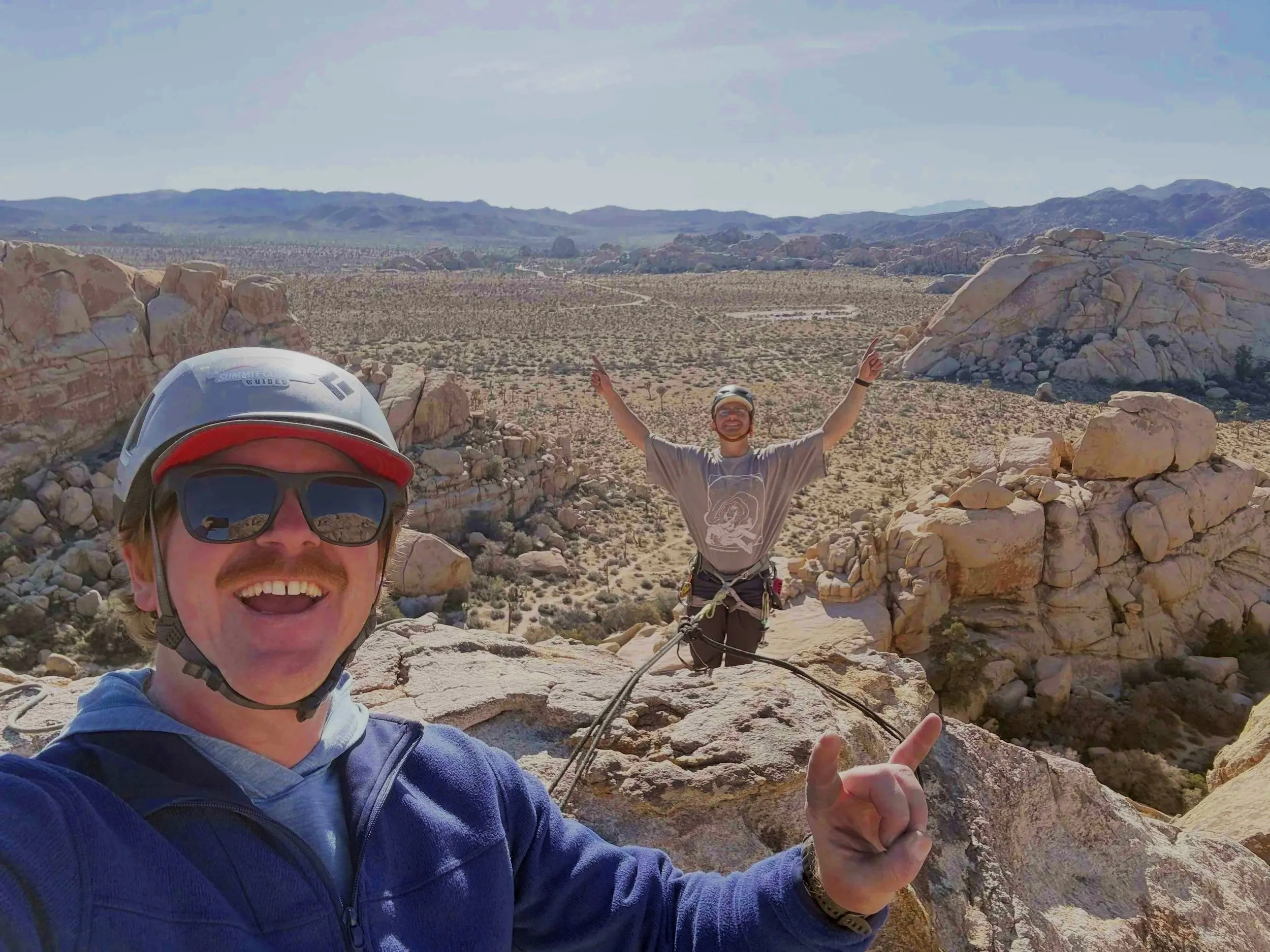

Joshua Tree National Park exists because of a woman most visitors have never heard of. Her name was Minerva Hamilton Hoyt, and she was, on the surface, an unlikely desert activist: a wealthy widow from Pasadena who hosted garden parties and moved in the highest social circles of early twentieth-century Southern California.
But Minerva Hoyt found something in the desert that she couldn't find anywhere else — a beauty so severe and strange that she devoted decades of her life to protecting it. Without her, there is no Joshua Tree National Park. The desert might have become something else entirely.
A Woman of Her World
Minerva Hamilton was born in Mississippi in 1866, into the post-Civil War South. She married Dr. Albert Sherman Hoyt, a wealthy New York physician, and the couple eventually settled in Pasadena, California — then, as now, a place of wealth, culture, and ambition.
She was a prominent figure in Pasadena society, known for her elaborate garden shows and her involvement in horticultural organizations. She had money, connections, and the kind of social access that could make things happen in early twentieth-century America.
After the deaths of her husband and, shortly after, her son, she turned her grief outward — toward the desert that had captivated her during trips into the Mojave and the low desert east of Los Angeles. The Joshua trees, the cacti, the monumental silence — she found them more than beautiful. She found them worth fighting for.
What She Was Fighting Against
The threat to the desert in the early twentieth century was real and accelerating. Collectors — many from back East — were stripping the Mojave of its cacti and desert plants to sell as curiosities and garden specimens. Developers had dreams of subdivisions. The federal government had no mechanism for protecting desert land the way it could protect mountains and forests, which were understood as valuable for timber and water.
The desert was seen as wasteland. Hoyt saw it differently.
The Campaign: A Timeline
What She Actually Accomplished
Beyond the Monument Designation
- Established desert preservation as a legitimate conservation cause at a time when "desert" was synonymous with worthless land — changing how an entire ecosystem was understood and valued.
- Brought the case for desert protection to international audiences a generation before the modern environmental movement existed.
- Created the institutional framework — the International Deserts Conservation League — that gave the campaign permanence beyond any individual effort.
- The monument she secured in 1936 was later expanded and elevated to full national park status by the California Desert Protection Act of 1994. The park now covers 1,235 square miles.
- Her approach — using social connections, exhibitions, and cultural prestige to build public support for conservation — became a model for later preservation campaigns.
Why She's Not Better Known
Minerva Hoyt is one of American conservation's most important figures and one of its least celebrated. Part of this is the general invisibility of women's contributions to public life in the early twentieth century. Part of it is that desert conservation has always occupied a second tier below forests and mountains in the public imagination — the work was harder to romanticize.
And part of it may be that she was effective through social means rather than dramatic ones. She didn't chain herself to trees or lead marches. She threw exhibitions, attended congress, cultivated relationships with the right people, and made her case with persistence and precision over decades. That's not the stuff of easy myth, but it's what worked.
The NPS designated her a "Woman of the National Parks" in 2020, one of six women recognized for foundational contributions to the park system. It's a step. She deserves a bigger one.
Visiting in Her Honor
There's no Minerva Hoyt visitor center, no trail named for her, no statue at the entrance. The park itself is her monument — 1,235 square miles of protected desert that exists because she wouldn't let it be destroyed.
When you drive through the west entrance and the Joshua trees come into view, you're seeing what she saw and fought to preserve. That's worth a moment of acknowledgment.
Want to know more about how the park came to be? Read our full park history guide →

Experience the Desert She Saved
Summit's guided climbing and adventure experiences put you deep into the landscape Minerva Hoyt spent her life protecting. All experience levels welcome.
Book a Guided Experience