Joshua Tree in Summer: The Honest Guide to Visiting in the Heat
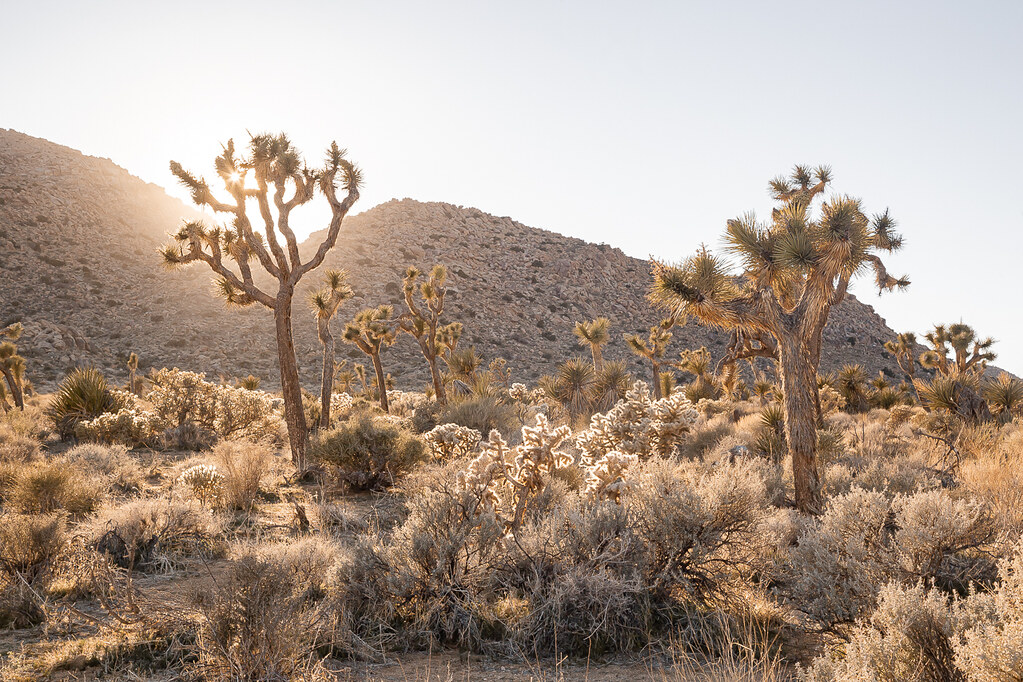
Most people write off Joshua Tree in summer. The temperatures can be brutal — triple digits are common in July and August — and the conventional wisdom is to go in spring or fall and skip the heat entirely.
But here's what those people miss: summer has its own version of Joshua Tree that's actually worth experiencing. The park is much less crowded. The desert light at 6 AM is otherworldly. Evenings cool off enough for real adventures. And if you're willing to work around the heat rather than fight it, summer is completely doable.
This guide covers what summer in Joshua Tree is actually like, how to plan your time around the heat, and what you can realistically do — including guided climbing trips that run early-morning and evening schedules all summer long.
What Summer Weather Is Actually Like
June through September is Joshua Tree's hot season. Daytime highs regularly hit 100–108°F in July and August, and the rocks absorb heat and radiate it back until well after sunset. Nights drop into the 70s, which feels like a relief.
The other thing summer brings is monsoon moisture. July and August see afternoon thunderstorms roll in from the southeast — dramatic, fast-moving, and occasionally intense. These storms can bring brief flash flooding in low-lying areas, but they also break the heat and leave the desert smelling incredible. Check the forecast each morning.
The desert will not warn you before it becomes dangerous.
Heat exhaustion can set in faster than most people expect, especially when the humidity spikes during monsoon season. The NPS has recorded heat-related fatalities at Joshua Tree. This is not a reason to skip the park — it's a reason to plan carefully.
Rule of thumb: if the temperature is above 95°F and you're more than 10 minutes from your car, you're taking a risk. Plan your activities for early morning, stay in the shade during midday, and carry far more water than you think you need — at least 1 liter per hour of activity.
The Summer Schedule: How Guided Trips Work
Summit Climbing Guides runs all summer with a modified schedule built around the heat. We do half-day trips only in July and August, offered in two windows: early morning and late afternoon/evening.
☀️ Morning Trips
Start time: 6:00 AM
The rocks are cool from the night, the light is incredible, and you're done well before the worst heat of the day. This is the preferred option for most summer guests.
Duration: ~4 hours
🌅 Afternoon Trips
Start time: 3:30 PM
The heat begins to break by late afternoon, and you'll finish the day with a golden-hour desert sunset from the rocks. Brings its own kind of magic.
Duration: ~4 hours
Your guide will reach out 2–3 days before your trip to confirm timing and the meeting point based on the weather forecast. If conditions are unsafe, we'll reschedule.
What You Can Do in Summer
The key to summer at Joshua Tree is front-loading your day. Here's what works:
Early-Morning Guided Climbing
Climbing at 6 AM in July sounds extreme until you've done it. The granite is cool, the park is empty, and the desert light coming up over the boulders is the kind of thing people come back to Joshua Tree to see again. Summit's summer trips are designed around this window — see half-day options and availability.
Sunrise Hikes
Get into the park before 6 AM for a sunrise hike on one of the shorter trails — Skull Rock, Barker Dam, or the Cholla Cactus Garden. Be back at your car by 9 AM and you'll have beaten the worst of it.
Stargazing
Summer nights at Joshua Tree are spectacular. The Milky Way is visible from late evening through early morning, and the park sees minimal light pollution. After a full day of rest, a late-evening walk or stargazing session starting around 8–9 PM is one of the best summer experiences in the park.
Afternoon Photography
From about 5 PM onward, the desert light softens and the temperatures start to drop. The last two hours before sunset produce some of the best photography conditions of the entire year.

Late afternoon light at Joshua Tree — NPS photo, public domain
What to Pack for Summer
Summer packing is different from the rest of the year. The usual Joshua Tree kit needs a few additions:
- Water — more than you think: 1 liter per hour of activity, minimum. 3 liters for a half-day trip. There is no water available inside most of the park.
- Electrolytes: Sweating heavily in 100°F heat depletes sodium and potassium fast. Bring electrolyte tabs or powder.
- Light-colored, loose-fitting clothing: Long sleeves actually help in intense sun — they block UV without trapping heat the way dark colors do.
- Sunscreen (SPF 50+): The desert sun at elevation is relentless. Reapply every 90 minutes.
- Wide-brim hat: Baseball caps don't protect your neck. A wide brim makes a real difference.
- Cooling towel: Wet it, wrap it around your neck. Works remarkably well.
- Headlamp: For early morning starts before sunrise.
Fill your water bottles with ice the night before and store them in a cooler. By the time you're mid-hike they'll still be cold, which matters enormously when the air temperature is over 100°F.
Midday Strategy: What to Do When the Heat Peaks
Between 10 AM and 4 PM in July and August, Joshua Tree is genuinely uncomfortable and potentially dangerous for extended outdoor activity. The smart move is to plan for this in advance:
- Head into town: Joshua Tree town, Twentynine Palms, and Yucca Valley all have air-conditioned restaurants, coffee shops, and galleries. The Noah Purifoy Outdoor Museum is worth saving for an early morning visit.
- Nap and rehydrate: If you have lodging nearby, a midday rest isn't defeat — it's how you have energy for a sunset hike or evening climb.
- Visit the visitor center: The Oasis Visitor Center in Twentynine Palms is air-conditioned and worth an hour.
Is Summer a Good Time to Visit Joshua Tree?
Honestly? It depends on what you're after. If you want full days of hiking and want the park to yourself, spring and fall are better. But if you're flexible, willing to start early, and want a version of Joshua Tree that most visitors never see — the quiet early mornings, the dramatic monsoon skies, the uncrowded trails at golden hour — summer has a lot to offer.
For guided climbing, we run trips all summer specifically because the early morning experience is genuinely special. There's something about climbing in an empty park at dawn that you can't replicate in October when the place is packed.
Just plan for the heat. It's the only variable that requires active management — and once you do, summer stops being an obstacle and starts being part of the experience.
Book a Summer Morning Climb
Our summer schedule runs 6 AM half-day trips through July and August. Just your group and your guide — in an empty park at dawn.
See Available Dates