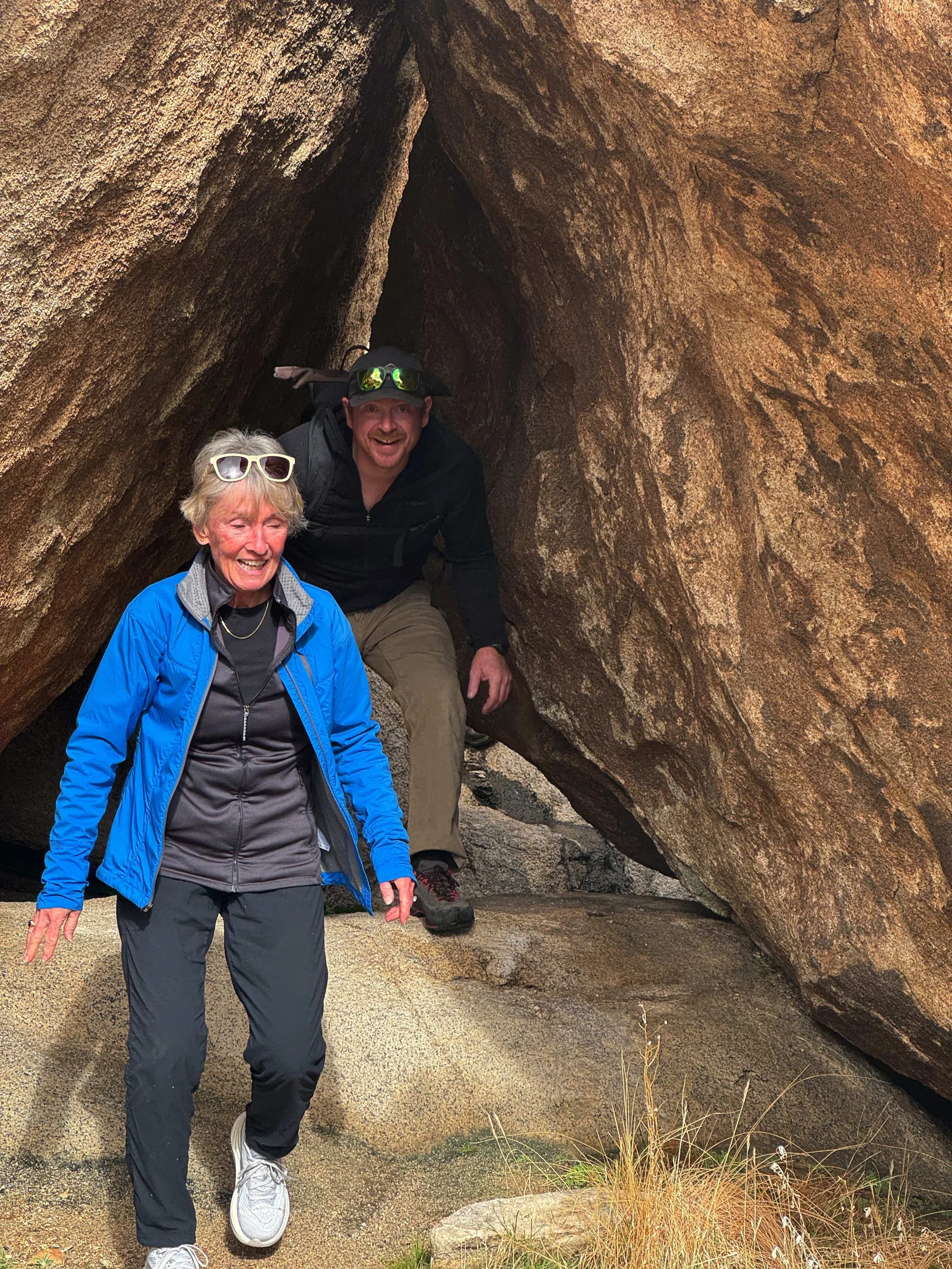
Hidden Gems of Joshua Tree: 10 Secret Spots Most Visitors Miss
Joshua Tree National Park covers 792,000 acres of Mojave and Colorado desert. Most visitors see a fraction of it — the same trails, the same pullouts, the same boulder formations along Park Boulevard. This guide is for everyone who wants to see the rest of it: the hidden oases, the granite cave systems, the dome summits, and the spots that stay invisible unless you know where to look.
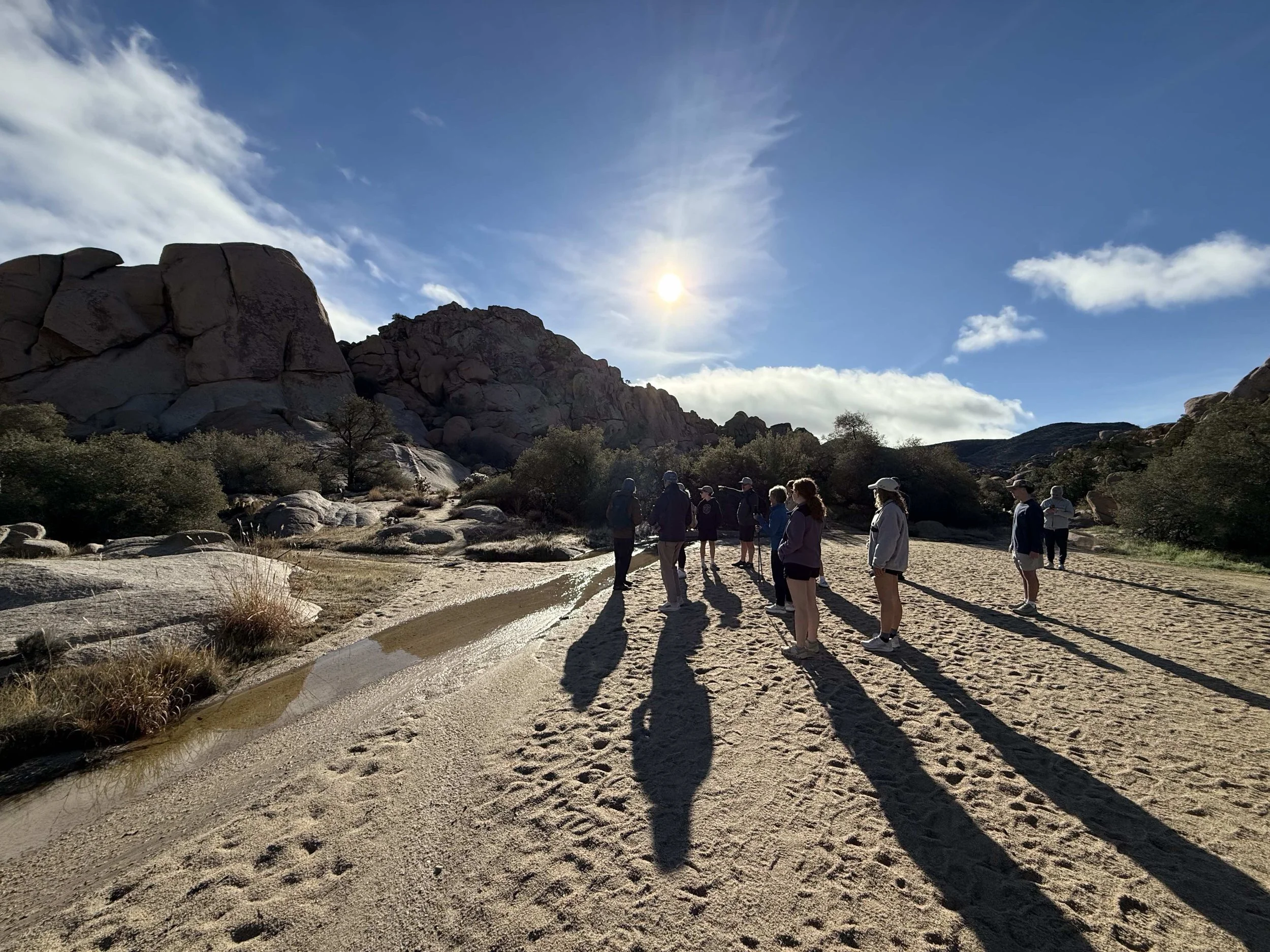
Three million people visit Joshua Tree every year. Almost all of them see Hidden Valley, Skull Rock, and the Joshua tree forest along Park Boulevard. Almost none of them see what's actually remarkable about this place.
The park is 792,000 acres. The average visitor sees maybe a dozen square miles of it, from paved pullouts and well-worn loops. The other 99% — the hidden oases, the granite cave systems, the corridors inside the Wonderland of Rocks, the remote southern wilderness — stays invisible to anyone who doesn't know where to look. These are the 10 spots worth finding.
10 Hidden Gems of Joshua Tree National Park
These aren't just obscure for obscurity's sake — every one of these spots is genuinely remarkable. They just require a little more intention to reach.
The Wonderland of Rocks is visible to every visitor driving Park Boulevard — a 12-square-mile jumble of monzogranite formations that looks, from the road, like an impenetrable pile of boulders. That's exactly why almost no one goes inside. The interior is a labyrinth of corridors, chambers, hidden valleys, and boulders the size of houses stacked in impossible configurations. It takes local knowledge to navigate safely and not end up on the wrong side of a granite wall with no way forward.
This is the terrain Summit Climbing Guides operates in every day. Our Adventure Routes move through the Wonderland's interior — scrambling over and through formations, reaching viewpoints most visitors never know exist, and navigating by landmarks rather than trail markers because there are none.
A three-mile round trip that feels like a different planet from every other Joshua Tree hike. The trail climbs over a dry ridge — hot, exposed, classic Mojave desert — then drops without warning into a lush hidden canyon sheltering a dense grove of California fan palms. The sound of rustling fronds and the smell of water in the desert are genuinely startling after the silence of the approach.
The oasis sits at the base of a cliff, fed by a spring, and supports bighorn sheep, birds, and lizards. Go early morning for the best wildlife activity and the coolest temperatures on the ridge crossing. The trailhead is off Canyon Road near the town of Twenty-Nine Palms — not inside the main park entrance — which is part of why it stays quiet.
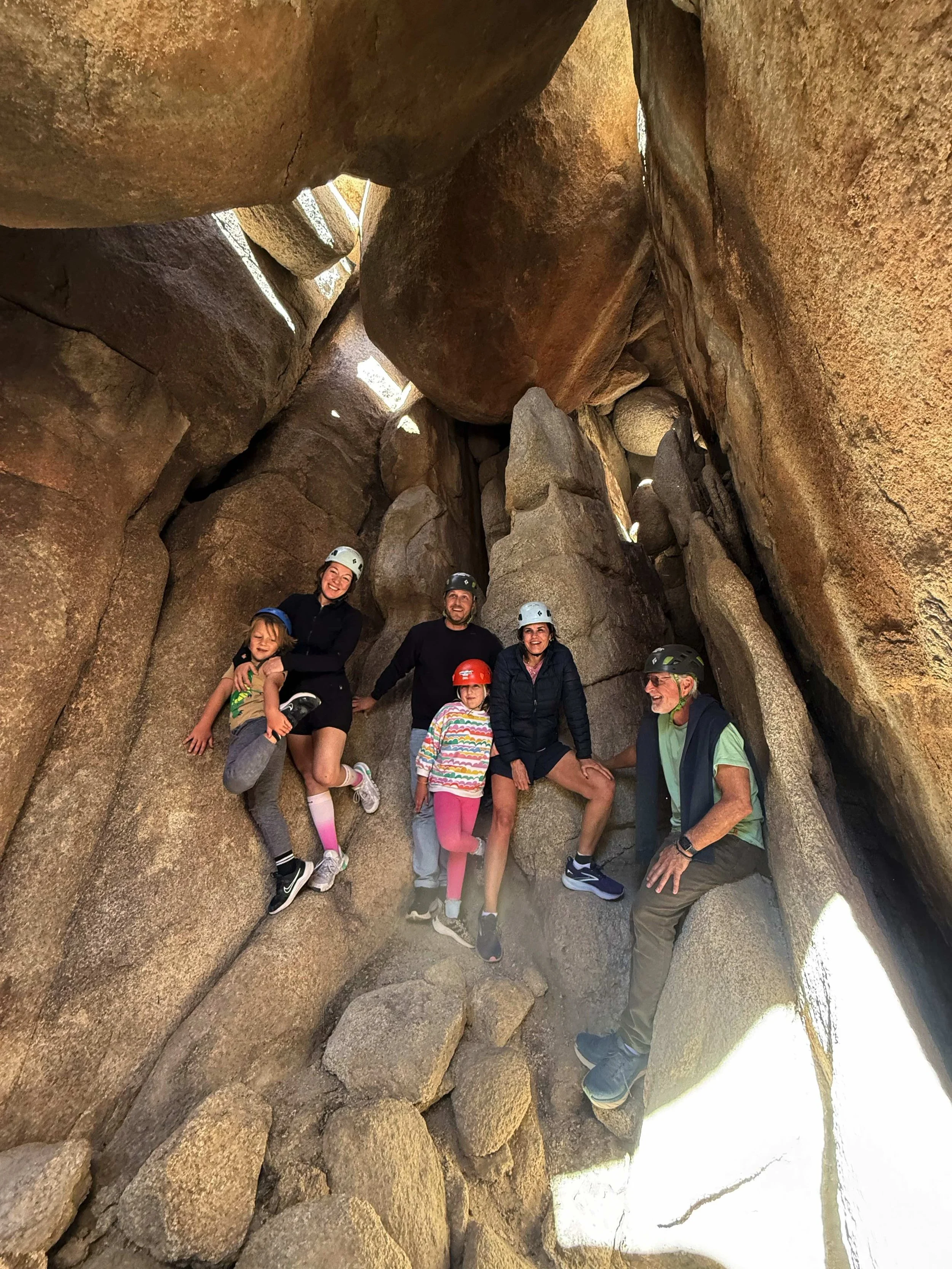
Most people don't know Joshua Tree has caves. Not underground caves — above-ground talus cave systems formed where massive granite boulders have stacked, leaned, and settled against each other over millions of years. The result is a network of dark chambers, tight squeezes, narrow corridors, and hidden passageways woven through the boulders at ground level and below. Some are barely wide enough to pass through. Others open into cathedral-sized rooms with light filtering in from above.
Summit Climbing Guides' Caves & Corridors experience takes guests through these systems with a guide who knows the routes — including how to get in, how to get through, and how to get back out. It's the most unusual and memorable thing you can do in Joshua Tree, and it's completely invisible from any trail.

The largest palm grove in Joshua Tree — and almost nobody goes there. Lost Palms Oasis sits in the southern Cottonwood area, 3.75 miles from the Cottonwood Spring trailhead. The hike is long but flat, mostly through open desert, with a final descent into a canyon where over 100 California fan palms cluster around a spring-fed wash. The silence and remoteness are remarkable for a park that sees 3 million visitors a year.
The southern section of Joshua Tree is a different park from the north. The plant life shifts — more ocotillo and smoke trees, fewer Joshua trees — and the crowds disappear entirely. If you make the drive to the Cottonwood entrance off I-10, you're likely to have the trail to yourself.
A three-mile loop in the Cottonwood area that ends at a rocky summit with sweeping views over the southern park, the Eagle Mountains, and on clear days all the way to the Salton Sea. The trail passes an old gold mine and colorful desert shrubs, and the final scramble to the top is easy but satisfying. Almost no one does this hike — which is the point.
Combine it with the nearby Cottonwood Spring loop for a longer half-day in the south section. Cottonwood Spring itself is a natural oasis attracting a remarkable variety of birds, including species not found elsewhere in the park.
Keys View is not a secret — it's on every Joshua Tree itinerary. But the version most visitors see is the midday version: hazy, flat light, a parking lot full of cars, and a valley that looks like a suburb from 5,000 feet. The sunrise version is a completely different experience. The Coachella Valley fills with morning mist. Palm Springs glows in gold light. The San Jacinto Mountains turn red. The San Andreas Fault line traces itself across the valley floor.
The drive from most Joshua Tree campsites takes about 20 minutes. Set your alarm for an hour before sunrise. You will almost certainly be one of only a handful of people there.
Most visitors to Joshua Tree never leave the creosote-and-cactus terrain that dominates the park's popular areas. Pine City Canyon is in pinyon-juniper country — higher elevation, denser vegetation, and a completely different atmosphere. The trail winds four miles round trip through a landscape that smells of pine resin and cool air, ending at a cluster of old mining structures deep in the canyon.
There's minimal signage and the trail becomes informal in spots, which keeps foot traffic light. The boulder formations along the way are excellent for scrambling. One of the few Joshua Tree trails where solitude is essentially guaranteed even on spring weekends.
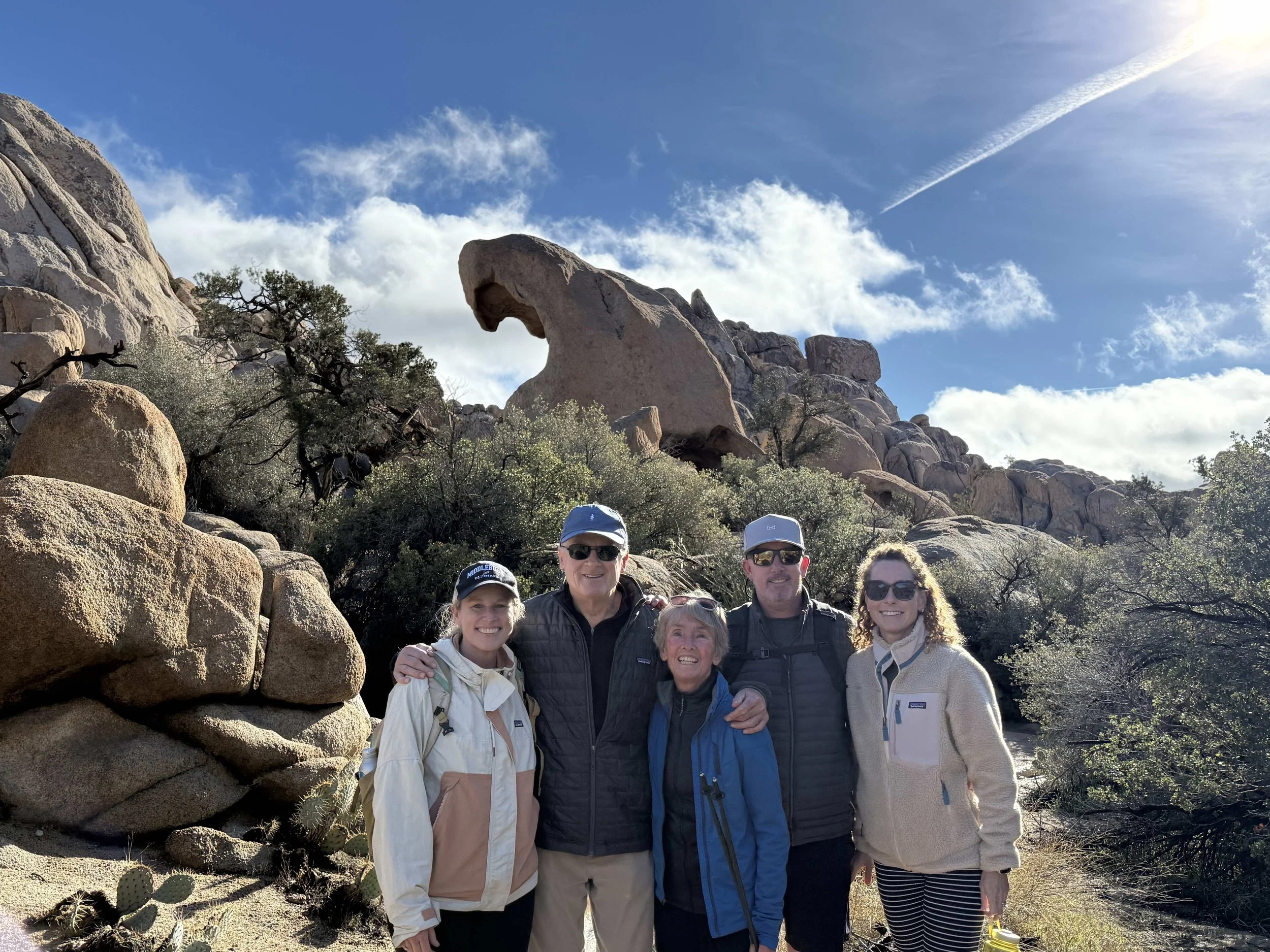
Joshua Tree's gold rush history is mostly confined to the well-known sites at Wall Street Mill and Barker Dam. Eagle Cliff Mine is one the majority of visitors drive straight past — a short walk from a pullout in the Queen Valley area leads to a historic mine shaft, ruins of an old camp, and sweeping views over the valley and rock formations below.
The mine dates to the early 1900s and the structures are remarkably intact. Go in the late afternoon when the light hits the valley from the west — the view from the mine site is better than most official viewpoints in the park. Do not enter the mine shaft itself.
Cholla Cactus Garden is on the standard tourist circuit — but almost everyone visits at midday when the sun is directly overhead and the cacti look like big dry houseplants. Come at sunrise or in the hour before sunset and the same loop becomes genuinely extraordinary. Backlit cholla spines glow silver and gold against the desert sky. The dense colony of thousands of cacti turns into something that looks more like a photograph than real life.
Spring adds another dimension: yellow-green flowers on the cholla tips, warmer air, and longer golden hours. This is a quick stop that earns its place on any full-day Joshua Tree itinerary — just at the right time.
The Astro Domes are a cluster of granite formations in the Queen Valley area — massive, domed, and completely unmarked on any standard trail map. World-class climbers have been visiting them for decades. Most park visitors pass within a mile of them and never know they're there. The domes rise above the surrounding terrain and offer panoramic views over the Wonderland of Rocks, the park interior, and the surrounding desert mountains that rival anything Ryan Mountain offers — without the crowd or the strenuous climb.
Summit Climbing Guides accesses the Astro Domes as part of our Adventure Routes — scrambling up slabs and ridgelines to reach the summit. No technical climbing experience required. The approach moves through open granite terrain, using existing climber-use paths before transitioning onto durable rock surfaces, keeping foot traffic off fragile desert soil.
A lot of what makes Joshua Tree remarkable — the cave systems, the Wonderland interior, the granite domes and ridgelines — is completely invisible without local knowledge. Summit Climbing Guides has been operating in this park for years. We know where the terrain is and how to move through it responsibly. If you want to see the park most visitors miss, book a guided experience and let us show you.

Frequently Asked Questions
What are the hidden gems in Joshua Tree National Park?
What is the least crowded part of Joshua Tree?
Are there caves in Joshua Tree National Park?
What is the best time to visit Joshua Tree to avoid crowds?
What is the Wonderland of Rocks in Joshua Tree?
Is 49 Palms Oasis worth visiting?
Can you see the Milky Way in Joshua Tree?
What is Keys View in Joshua Tree?