Joshua Tree in Fall: October & November Guide

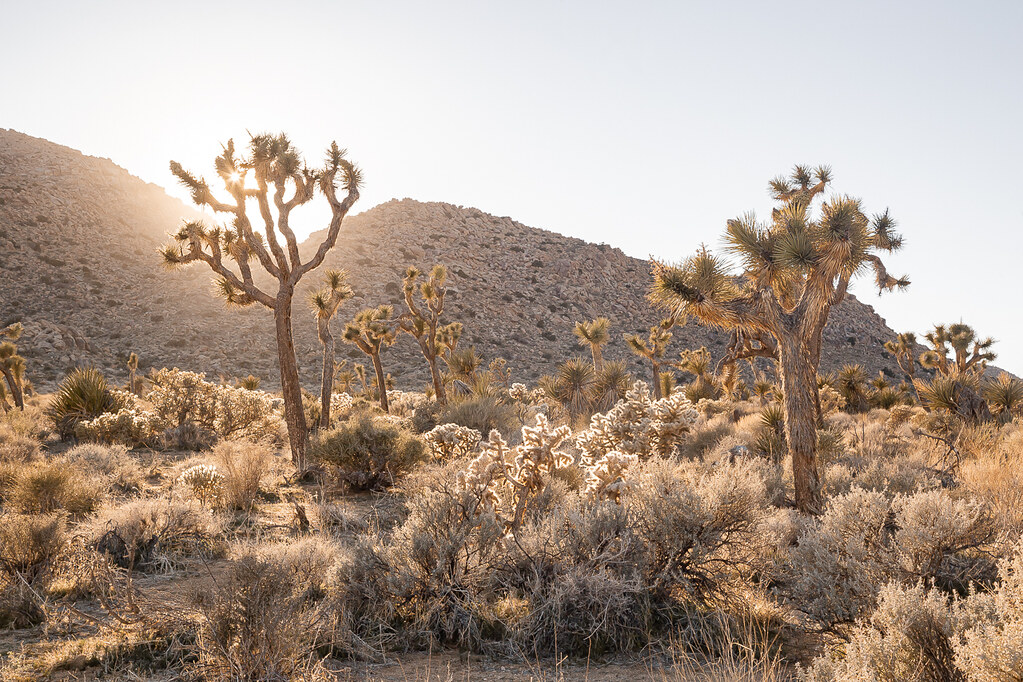
Most people know Joshua Tree in spring — the wildflowers, the crowds, the Instagram moment. Far fewer know the park in fall, which is a shame, because October and November offer something spring rarely delivers: perfect temperatures, dramatic light, and enough breathing room to actually feel the place. The summer heat has broken. The worst of the crowds haven't arrived yet. The desert is warm in the day and sharp at night, and the angle of the sun in fall turns the boulder piles and Joshua tree silhouettes into something cinematic in a way midday spring light simply doesn't.
Fall is also peak climbing season. The granite cools down from its summer baking and the friction comes back — October and November are when local climbers return to the rock in force, and when guided experiences are in full swing. If you've been wanting to try rock climbing or rappelling, fall is the ideal window: not too hot to be dangerous, not yet cold enough to make gear management awkward.
There are tradeoffs. Fall has no wildflowers, and daylight hours shrink as the season progresses. But if you're someone who values elbow room and perfect hiking temperatures over bloom season photo ops, fall at Joshua Tree is genuinely underrated — and once you've seen the park under a November sunset, you'll understand why the locals keep it to themselves.
October vs. November: What to Expect Each Month
Fall at Joshua Tree plays out differently across its two core months. Here's what each one actually delivers.
October
October is the transition month — summer is definitively over, but fall hasn't fully arrived. Early October can still feel warm, especially in the lower Colorado Desert section. By mid-to-late October, temperatures are nearly perfect for hiking and climbing. This is also when the Joshua Tree Music Festival draws a creative crowd to the park's outskirts. Weekends in October remain busy; if you can swing a weekday, do it. The sunsets in October are reliably dramatic as dust in the atmosphere from summer winds catches the light.
November
November is the hidden gem of the Joshua Tree calendar. Crowds thin considerably after the October rush — especially mid-to-late November when Thanksgiving week brings a brief surge but surrounding weeks are relatively quiet. Days are cool and clear, nights are genuinely cold (frost is possible), and the shorter daylight window means you need to plan your hikes tighter. The Leonid meteor shower peaks in mid-November, making this one of the best months for stargazing. Pack a real sleeping bag and warm layers for camping — the overnight temperature drop can catch unprepared visitors off guard.
4 Reasons Fall Beats Spring at Joshua Tree
Spring gets the press. Fall gets the experience.
Peak Climbing Conditions
The granite at Joshua Tree absorbs months of summer heat and then releases it slowly through fall — meaning the rock is warm enough to be comfortable but cool enough that friction is excellent. October and November are when climbers who know the park best come back in force. Trad routes that are sweaty death-marches in July are absolute pleasures in November.
The Best Light of the Year
Fall's lower sun angle means golden hour lasts longer and hits the boulders and Joshua trees at a more dramatic angle than in summer. The park's landscape — which can look flat and harsh in high-summer noon light — becomes textured, warm, and cinematic in fall. Sunrise and sunset photography in October and November is as good as it gets anywhere in the Southwest.
Wildlife Activity
Fall brings a surge in wildlife activity before winter sets in. Bighorn sheep are more visible as they move to lower elevations. Migratory birds pass through in large numbers — October is one of the best birding months in the park. Desert tortoises are still active in early October before beginning hibernation, making this the last reliable window for a sighting.
Fewer Crowds
Spring wildflower season is the single busiest time at Joshua Tree — campgrounds fill weeks in advance, trailhead parking lots overflow, and popular spots like Skull Rock and Hidden Valley can feel like theme parks. Fall visitors get most of the same experience — perfect temperatures, spectacular landscapes — with a fraction of the crowd. November weekdays in particular can feel like you have the park to yourself.

What to Do in Joshua Tree This Fall
Fall's comfortable temperatures make virtually every activity in the park better than in summer. Here's what to prioritize depending on when you're going.
If you're going in October
October is the month to get on the rock. Guided climbing and rappelling experiences are fully in season, temperatures are ideal for physical activity, and the park's most iconic climbs — from beginner routes at Intersection Rock to multi-pitch lines on the Astro Domes — are in prime condition. Hiking is excellent throughout the month. The Hidden Valley Trail, Barker Dam, and Ryan Mountain all deliver in October light. If you're camping, book your site well in advance — October weekends book out fast, especially around fall break.
If you're going in November
November rewards slower travel. The crowds have thinned enough that you can linger at trailheads, stop for long lunch breaks on warm boulders, and explore without a schedule. Stargazing becomes exceptional as nights get longer and clearer — the Leonid meteor shower peaks around November 17–18 each year and is reliably visible from the park. Plan a night hike or a late sit at Keys View for the full experience. Day hiking in November requires earlier start times as the sun sets around 4:45pm by month's end.
What to Pack for a Fall Visit
- Layers are non-negotiable. The temperature swing between a warm October afternoon (80°F) and a November desert night (30°F) is dramatic. Bring a light base layer, a fleece or down mid-layer, and a wind shell — even if the forecast looks warm.
- A real sleeping bag if you're camping. Rated to at least 20°F for November camping. The desert radiates heat quickly after sunset, and temperatures drop faster and further than most visitors expect.
- Sun protection anyway. Cool temperatures don't mean weak sun. The UV index at Joshua Tree's elevation is significant year-round. Hat, sunglasses, and SPF regardless of the thermometer.
- Headlamp for every person. Daylight ends early in fall, especially in November. If you're hiking in the late afternoon or planning any sunset activity, everyone in your group needs their own light source for the walk back.
- Extra water for climbing days. Physical activity in cool temperatures can mask dehydration — you feel less thirsty but your body still needs water. Carry at least 2 liters per person for any full-day outing.
- Reservations for campgrounds. Campsites at Jumbo Rocks, Hidden Valley, and Belle fill on fall weekends. Book through recreation.gov as far in advance as possible — 6 months out for popular weekends in October.
Make the Most of Your Fall Visit
Summit's guided rock climbing, rappelling, and cave experiences run all fall — and October and November are our favorite months to guide. Book now before the season fills up.
Book a Guided Experience