Why Our Custom-Designed Adventure Routes Create a Better, more unique Joshua Tree Experience
Not all climbing experiences in Joshua Tree are created equal.
At Summit Climbing Guides, our Adventure Routes aren’t pulled straight from a guidebook or rushed through popular climbs. Instead, they’re custom-designed experiences, built around your goals, comfort level, and sense of adventure.
Here’s what that means — and why it leads to a better day in the park.

Third summit on the Pina Colada Via Ferrata Adventure Route - Joshua Tree National Park
What Is an Adventure Route?
An Adventure Route is more than a single climb. It’s a carefully planned journey that may include:
Scrambling and route finding
Short roped sections
Unique rock features
Caves, corridors, and hidden passages
Scenic summits and viewpoints
optional rappelling
optional rock climbing
Rather than focusing on grades or ticks, Adventure Routes focus on movement, exploration, and problem-solving — all guided by an experienced professional. Checkout our Safety & Guiding Philosophy.
Why We Design Our Own Routes
Joshua Tree is full of incredible terrain, but many visitors experience only a small slice of it.
We design custom Adventure Routes to:
Avoid crowds
Match your skill and comfort level
Highlight lesser-known features
Adapt to weather and conditions
Create a cohesive, flowing experience
Curate a truly one-of-a-kind experience
Chance to use our creativity in route development
This approach allows us to guide clients safely through terrain that would be intimidating — or impossible — to navigate alone.
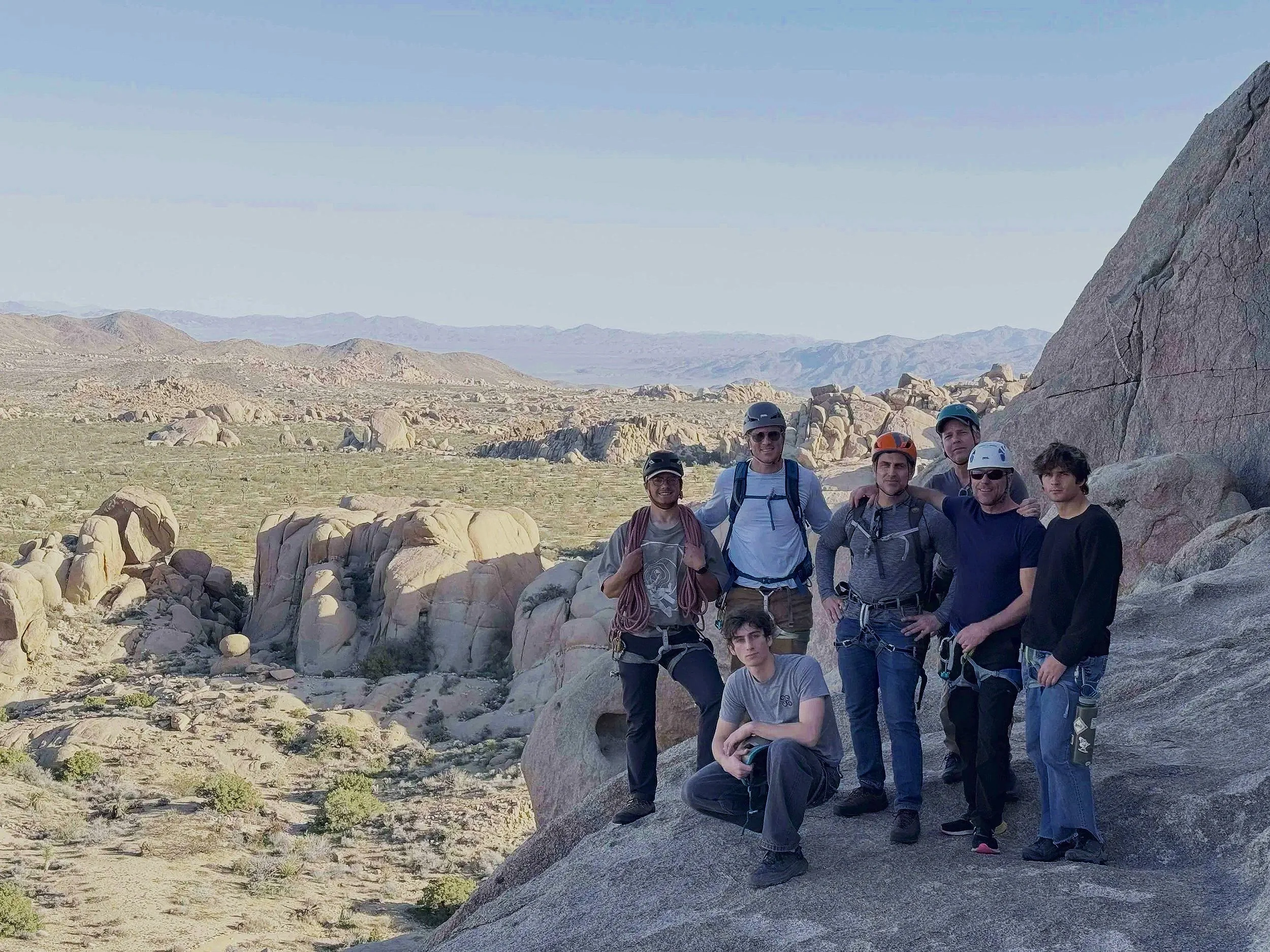
Isles in The Sky Ledge - Part of the Rubicon Ridge Adventure Route - Joshua Tree National Park
Built for Your Experience Level
One of the biggest misconceptions about Adventure Routes is that they’re only for advanced climbers.
That’s not true.
Our routes are designed for:
Beginners looking for a guided introduction to real adventure
Intermediate climbers wanting something beyond a single pitch
Experienced climbers seeking creative, engaging movement
Because we design the routes ourselves, we can:
Increase or decrease difficulty
Adjust pacing
Add or remove technical sections
Focus on confidence-building or challenge
Why Custom Routes Are Safer
Safety isn’t about removing adventure — it’s about planning for it.
Custom-designed Adventure Routes allow us to:
Choose terrain appropriate for conditions
Manage exposure carefully
Avoid risky bottlenecks
Use rope systems only when they add value
Keep groups small and focused
This leads to calmer decision-making, better communication, and a more enjoyable experience for everyone involved.
A More Personal Joshua Tree Experience
Some of the best moments on an Adventure Route happen between the climbs:
Standing on a quiet summit
Navigating a hidden corridor
Learning how to move confidently over rock
Seeing parts of the park most visitors never reach
Because these routes aren’t one-size-fits-all, every trip feels personal.
No two Adventure Routes are exactly the same — and that’s the point.
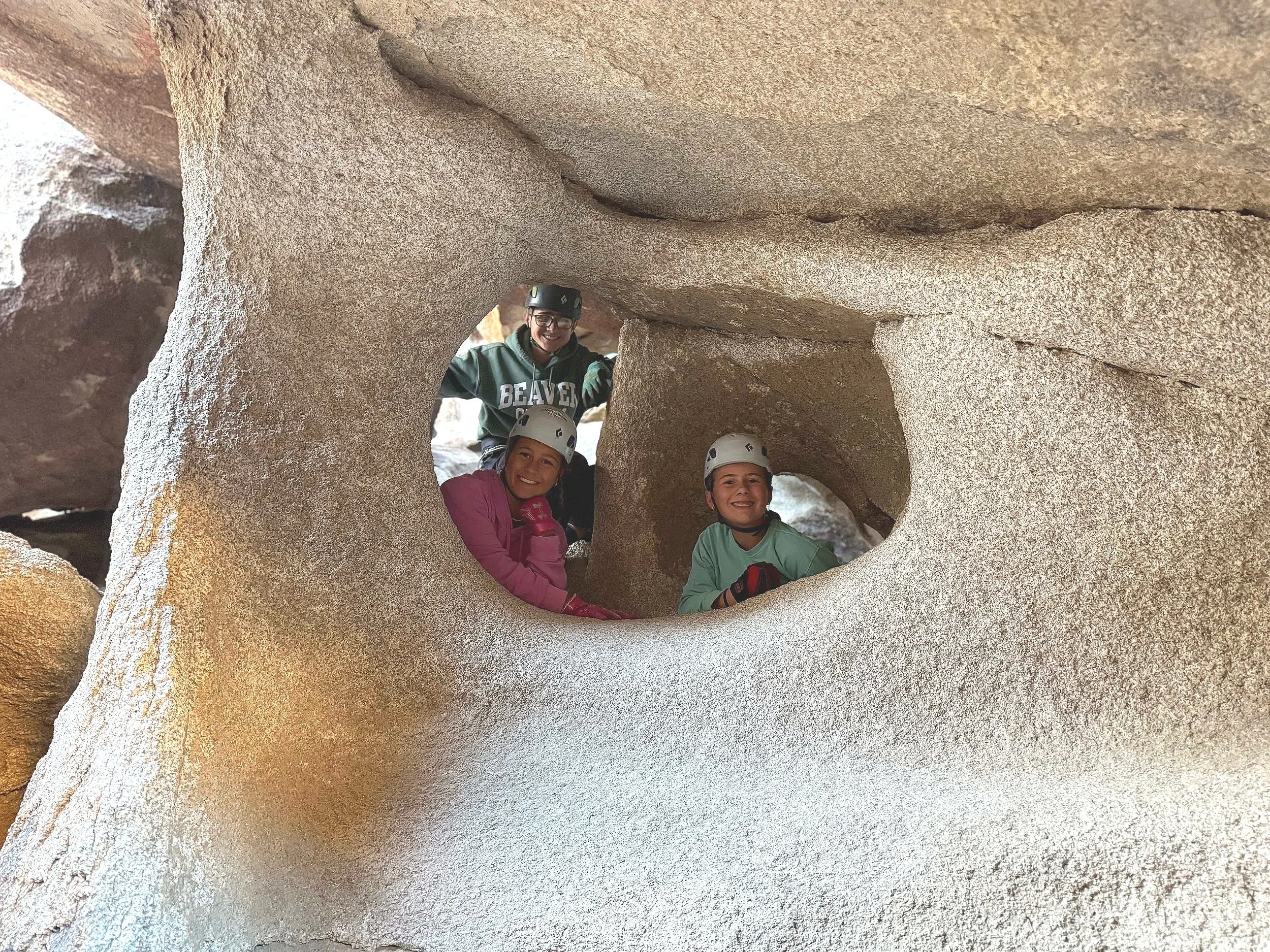
The Goonies Cave - Hall of Horrors Adventure - Joshua Tree National Park
Who Our Adventure Routes Are Perfect For
Custom Adventure Routes are ideal if you:
Want more than a standard guided climb
Prefer exploration over crowded classics
Are new to outdoor climbing but curious
Want a private or small-group experience
Value thoughtful, professional guiding
If you’re not sure whether an Adventure Route is right for you, we’re always happy to talk through options.
Ready to Explore a Custom Adventure Route?
Adventure Routes are one of the most unique experiences we offer — and one of our favorites to guide.
If you’re looking for a thoughtfully designed, immersive Joshua Tree adventure, we’d love to help you build the perfect route.
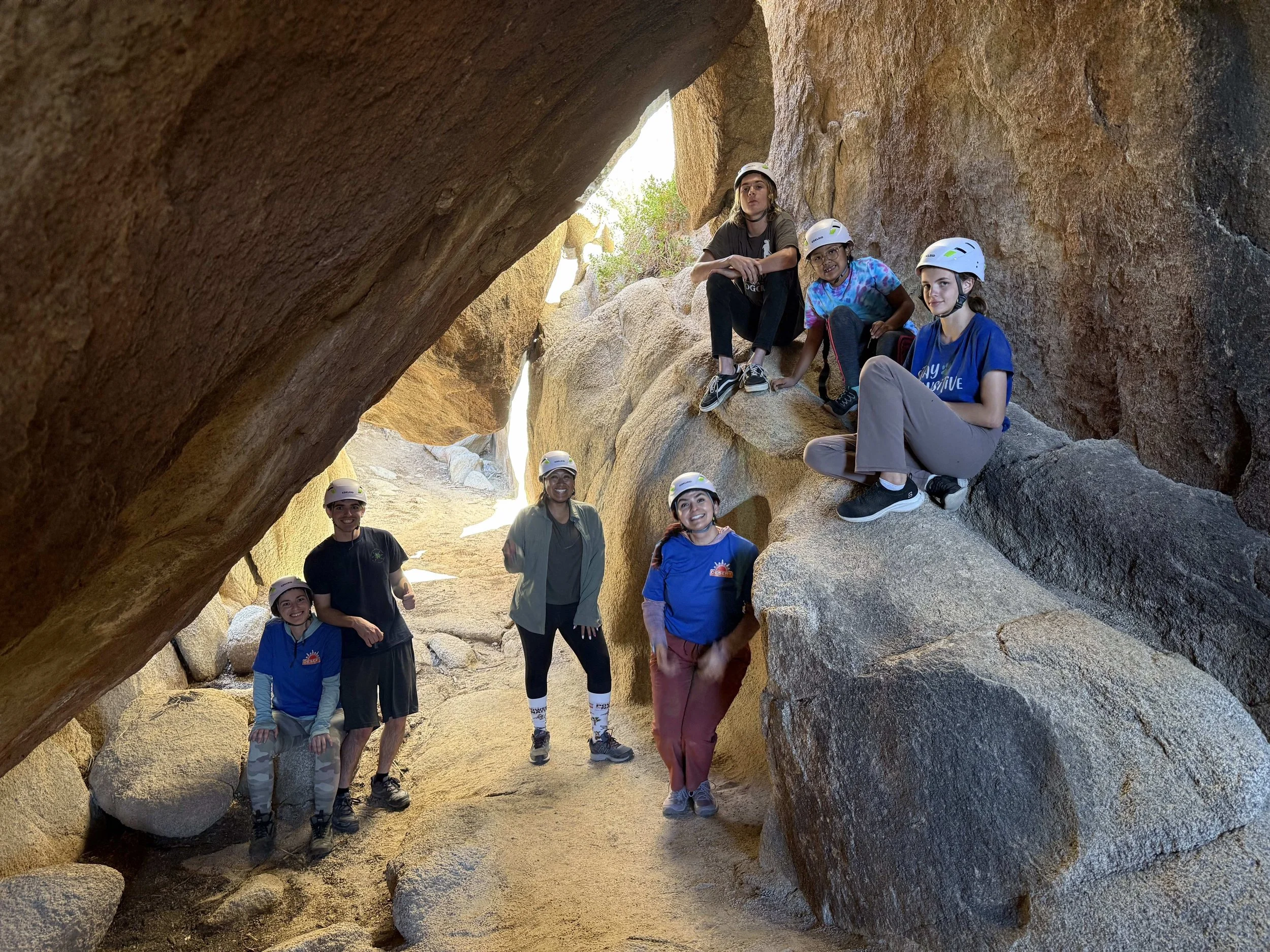
One of the many caves in the Great Chasm Adventure - Joshua Tree National Park